
Fish Hunter centers on arcade shooting rhythm, target reading, prize tiers, plus tool timing across busy sea fields. JILICC appears in this guide only as reference for interface review, not as the main subject. This article is written for arcade game players, to help them understand shooting logic, creature values, plus support features, aiming for calmer entry choices.
Overview of the Fish Hunter arcade title
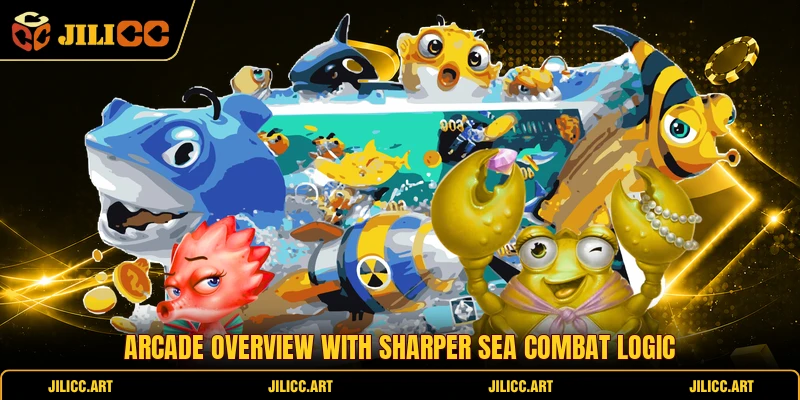
The game uses sea battle screens where small creatures move in lanes from left, right, top, plus bottom. Normal rounds can show 20 through 35 moving targets within 60 seconds, depending on room level. Bullet cost often starts near 1 credit before higher tables raise pressure quickly in practice.
Each table usually separates common fish, rare creatures, boss units, plus event objects through size or movement speed. Fish Hunter rewards steady observation because each large target can require 15 through 60 hits before defeat. Small targets may fall after 1 through 4 shots, so early rhythm matters.
Visual clarity becomes important when several creatures cross the same path within one narrow firing zone. Steady sessions often keep bullet size fixed for 5 through 8 minutes before any increase feels reasonable. JILICC screen labels may help track room name, coin balance, plus recent reward notices after each round.
>>> View more: Swordfish Hunter – Sharp Aim For Big Ocean Wins Today
Support functions in Fish Hunter
Support tools shape how crowded sea screens can be read during faster rounds. Their value depends on timing, target spacing, plus cost control before pressure rises.
Continuous auto fire in Fish Hunter
Auto fire keeps repeated shots moving without constant manual tapping during crowded screen phases. Typical bursts may release 30 through 90 bullets per minute, based on selected cannon speed. This tool suits stable lanes where creatures travel in straight lines across predictable space before turning away from fire.
The main concern is spending pace because automatic fire can drain credit faster than manual rhythm. Fish Hunter becomes easier to control when auto mode runs only during 10 through 20 second windows. Short bursts reduce waste when targets split, dive, or leave the visible area too early.
Practical setup starts with low bullet size before raising power for heavier creatures later. Players can review hit response after 12 through 15 shots, then stop when movement turns messy. This habit keeps screen judgment cleaner during long sessions, especially in mid level rooms with quick spawns nearby.
Long range target lock
Target lock helps hold aim on chosen creatures when screen traffic becomes dense or layered. The function proves useful when rare units cross behind smaller targets with similar color cues. Lock duration can last 5 through 15 seconds before manual correction becomes necessary during angled movement paths often.
Better use comes from selecting slow creatures near the middle path rather than chasing fast edge movement. Fish Hunter punishes late locking because targets near the border may exit before enough hits land. Safer entry waits until roughly 60 percent of the body remains visible on screen during crowded moments.
Lock use should still respect bullet cost, since accuracy cannot replace poor value judgment. Large creatures with heavy health may need 40 hits or more before any clear result appears. Careful notes on failed locks help separate bad timing from weak cannon size during later rounds with steady review.

>>> View more categories: Fishing
Full screen freeze effect
Freeze slows or stops creature movement across sea fields for short periods during crowded waves. Many versions give around 3 through 8 seconds of stillness, which creates cleaner firing windows. This tool works best when several medium value targets gather near the center together during dense flow periods.
Freeze used too early may waste its strongest effect on low value fish during quiet screens. Better timing waits for rare creatures, bonus icons, or boss units to share visible space. During that pause, bullet size should match target health instead of rising from emotion alone for safer use.
The strongest freeze sequence usually starts after screen density reaches one clear peak. Fish Hunter becomes more readable when frozen targets are ranked by value before firing begins. Quick order plans can protect 20 through 30 shots from scattering across weak targets during the pause with focus intact.
Wide area lightning strike
Lightning delivers wide hits across several creatures at once rather than following one lane. The effect can clear small targets quickly when 12 through 18 units overlap near the center. Its best value appears during clustered movement, not during empty screen phases or late exits under pressure peaks.
The feature should be saved for moments with visible overlap across two or three lanes. Fish Hunter uses area damage more efficiently when small creatures cover rare targets or bonus objects. Loose strikes against scattered movement may feel dramatic, yet they often give weaker return overall after careful review.
Good lightning timing also depends on recovery pace after each effect ends during busy phases. Several small prizes can appear quickly, while heavier creatures may still need follow up shots. Measured finishes use 5 through 10 manual bullets before deciding whether another tool deserves use next during longer tables.
Creature reward table in Fish Hunter
Reward reading needs simple grouping because creature size alone can mislead during crowded movement. Small fish may give fast return, while bosses can absorb many shots before paying anything. The notes below connect visible behavior with estimated value so table review stays practical across rooms through repeated sessions.
- Small reef fish: These targets often pay 2x through 6x, so low bullet size fits steady lane movement plus short review cycles.
- Medium sea creatures: Rays, turtles, or crabs may return 8x through 25x, which makes timing more important than constant firing.
- Rare golden targets: These creatures can reach 30x through 80x, but entry should wait until movement stays open for clean shot chains.
- Boss units: Large sharks or dragons may show 100x through 300x value, while health often demands patient tracking across several passes.

Conclusion
The guide shows how Fish Hunter works through target value, support timing, screen density, plus bullet control. Clear session plans keep each feature easier to read without turning the game into rushed patterns. JILICC users can create an account when ready, with steady aim plus good luck for each round.