
Manta Ray Battle centers on boss routes, cannon rhythm, plus reward signs in each room. Clean reading starts with lane movement, target value, plus pauses after missed shots. This article is written for arcade players, to help them understand boss combat, with the goal of cleaner play through JILICC.
Understanding the theme of Manta Ray Battle
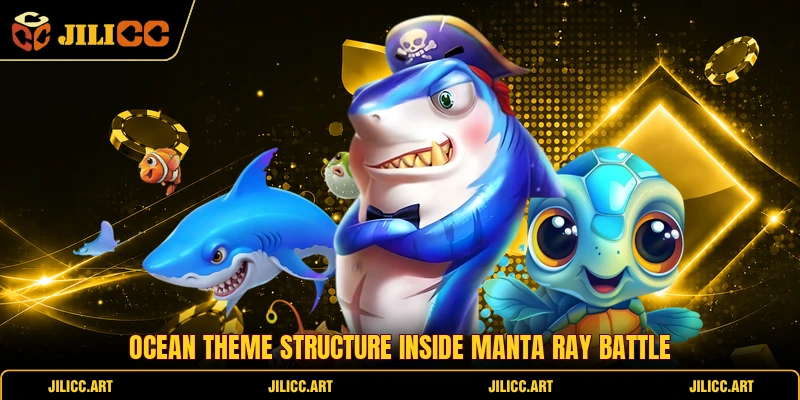
Ocean hunting games usually depend on clear movement, readable target size, plus short reward signals after each hit. This theme uses a giant ray as its core image, so the screen often feels wide, deep, plus slower than simple fish rooms. Careful play starts from watching lanes before raising cannon strength.
The central appeal of Manta Ray Battle comes from pressure between small waves plus rare boss entries. Normal creatures may carry modest value from 2x to 18x, while elite targets can reach 80x or higher during special windows. A calm rhythm helps each shot feel measured rather than rushed.
Room pacing should be read through spawn density, cannon cost, plus target health shown near the creature. JILICC layouts usually place reward notices beside recent hits, so quick review stays possible during crowded scenes. Stronger judgment comes from comparing three rounds before treating any pattern as reliable.
>>> View more: Crab King – Ocean Arsenal With Royal Reel Fury Playbook
Hunting room modes in Manta Ray Battle
Room modes create the first layer of structure before any large target appears. Each room changes speed, cannon pressure, plus reward visibility through different screen density. The notes below keep room selection tied to practical reading rather than guesswork.
- Starter lagoon: Low entry cost suits slow lane tracking because small creatures move in clear lines across wide water paths.
- Coral raid: Mid-level traffic creates tighter pressure, so cannon rhythm should follow clusters instead of chasing scattered targets.
- Abyss current: Higher shot cost rewards patient timing because rare creatures cross crowded lanes with shorter clean windows.
- Ray vault: This room suits reward log review because boss alerts stay visible near recent hit records plus meter changes.
- Storm trench: Fast spawn waves demand shorter sessions, since missed timing can drain credits before value targets arrive.

>>> View more categories: Fishing
Legendary bosses in Manta Ray Battle
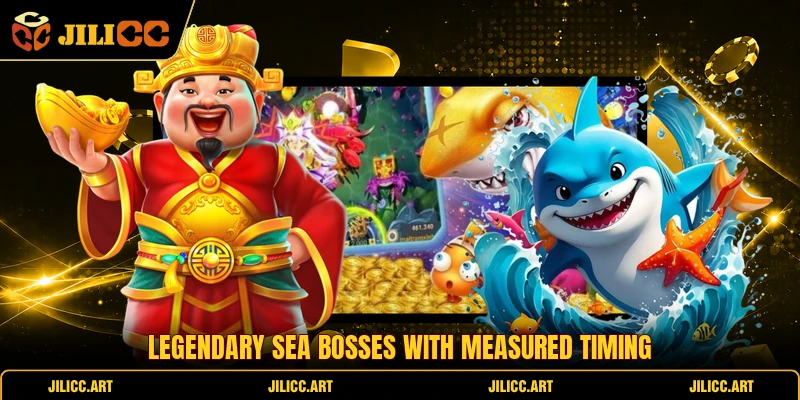
Boss rounds need patient screen reading because large targets often hide value behind movement pressure. A steady view of timing, route shape, plus hit response prepares the next sections.
Giant golden manta ray in Manta Ray Battle
The giant golden manta ray usually appears as a wide target with slow turning speed near the central lane. Its body can cover 18 to 25 percent of the screen during close passes. That size helps aim, yet the health bar often absorbs long shot chains before any reward notice appears.
A clean plan for Manta Ray Battle starts by waiting until the ray crosses an open lane. Shot cost near 10 to 20 credits can feel safer when the target angle stays flat. Repeated fire works best for 4 to 6 seconds, then a pause keeps credit loss visible.
Reward values for this boss may range from 90x to 180x depending on table level plus room type. Some rounds show gold sparks after every fifth registered hit, which signals steady damage rather than instant payout. Careful records should note entry time, cannon size, plus final status.
Supreme fire sea dragon
The supreme fire sea dragon moves faster than wide ray bosses, so timing becomes more important than target size. Its route often bends across the upper screen before dropping through the middle. A typical health range can require 30 to 45 confirmed hits in stronger rooms.
During Manta Ray Battle, this boss can punish late reactions because flame effects hide nearby smaller targets. Cannon bursts should start when the head clears side traffic, then stop when the body turns away. A short 3 second firing window often gives cleaner feedback than long chasing.
Visible fire pulses may appear after 8, 16, plus 24 hits as a damage cue. JILICC tables can display a recent kill note near the right side, which helps compare dragon outcomes across sessions. Reward estimates may sit between 120x plus 240x in higher rooms.
Deep sea monster octopus
The deep sea monster octopus creates pressure through tentacle movement rather than straight speed. Each limb may block visual focus while smaller creatures pass near the body. Its full shape can occupy 20 percent of the screen, so aim should favor the center mass during stable frames.
In Manta Ray Battle, octopus pressure often rises when the room fills with small targets. A practical cannon range sits near 8 to 16 credits before any repeated burst begins. When the body spins, missed shots increase sharply because the hit zone shifts away from the first aim point.
Reward readings should separate visual drama from real table value. Some octopus rounds show ink flashes after 10 registered hits, yet that signal does not confirm a near kill. A useful record keeps three figures together, total shots, visible cue count, plus final return.
Fortune turtle deity
The fortune turtle deity moves slowly, yet its shell can absorb more damage than expected. This boss often appears near lower lanes where small creatures cross in front. A patient entry works better when the head faces forward, because side angles can reduce clean hit feedback.
A measured session in Manta Ray Battle treats turtle rounds as endurance tests rather than quick kills. Shot chains near 5 seconds can be followed by a 2 second check of credit movement. This rhythm protects the balance when the shell animation makes progress hard to judge.
Potential rewards may sit around 100x to 220x in advanced rooms, depending on table settings. The turtle’s gold trail can suggest higher value, yet the final notice remains the only reliable result marker. Strong review compares spawn timing, cannon level, plus whether nearby targets reduced accuracy.
Conclusion
Manta Ray Battle becomes clearer when room choice, boss route, cannon rhythm, plus reward records stay connected. JILICC appears best treated as a reading point, not as a shortcut for every decision. Create an account only after the game structure feels familiar, then keep each session steady.